About Carrier Board
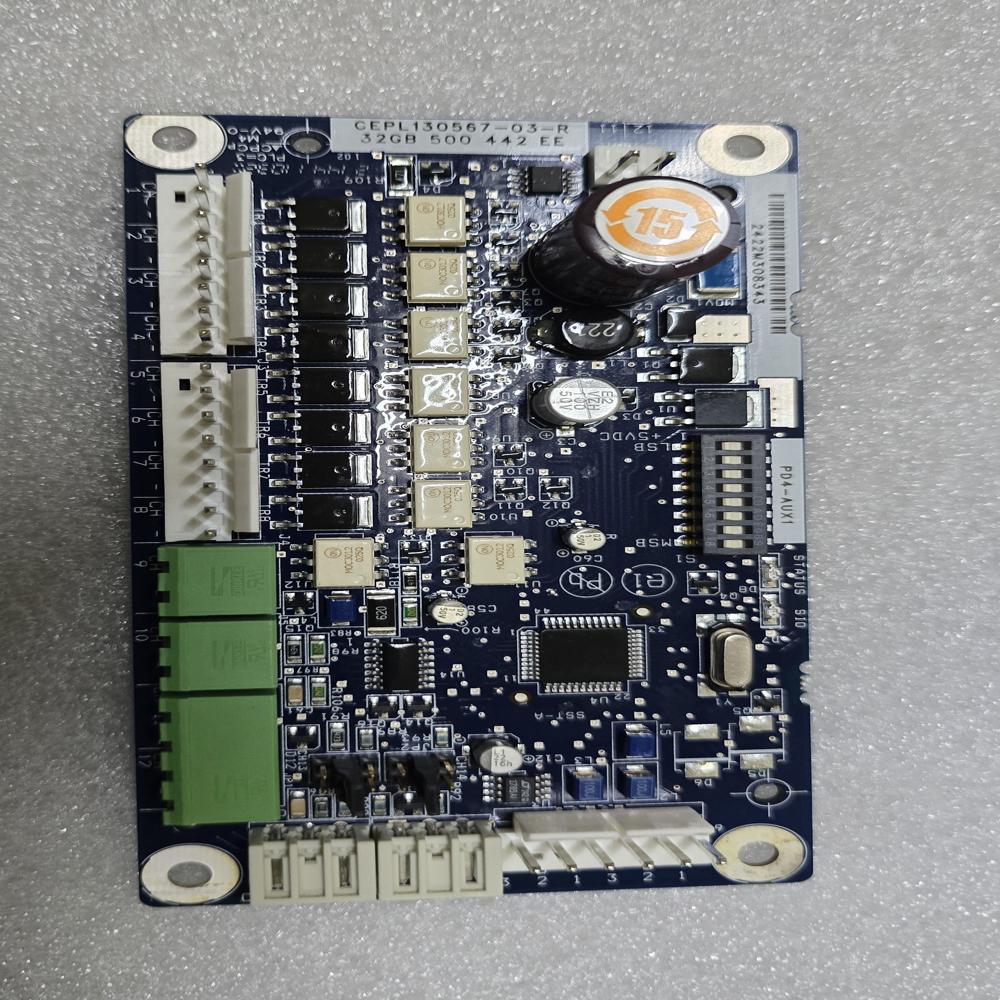
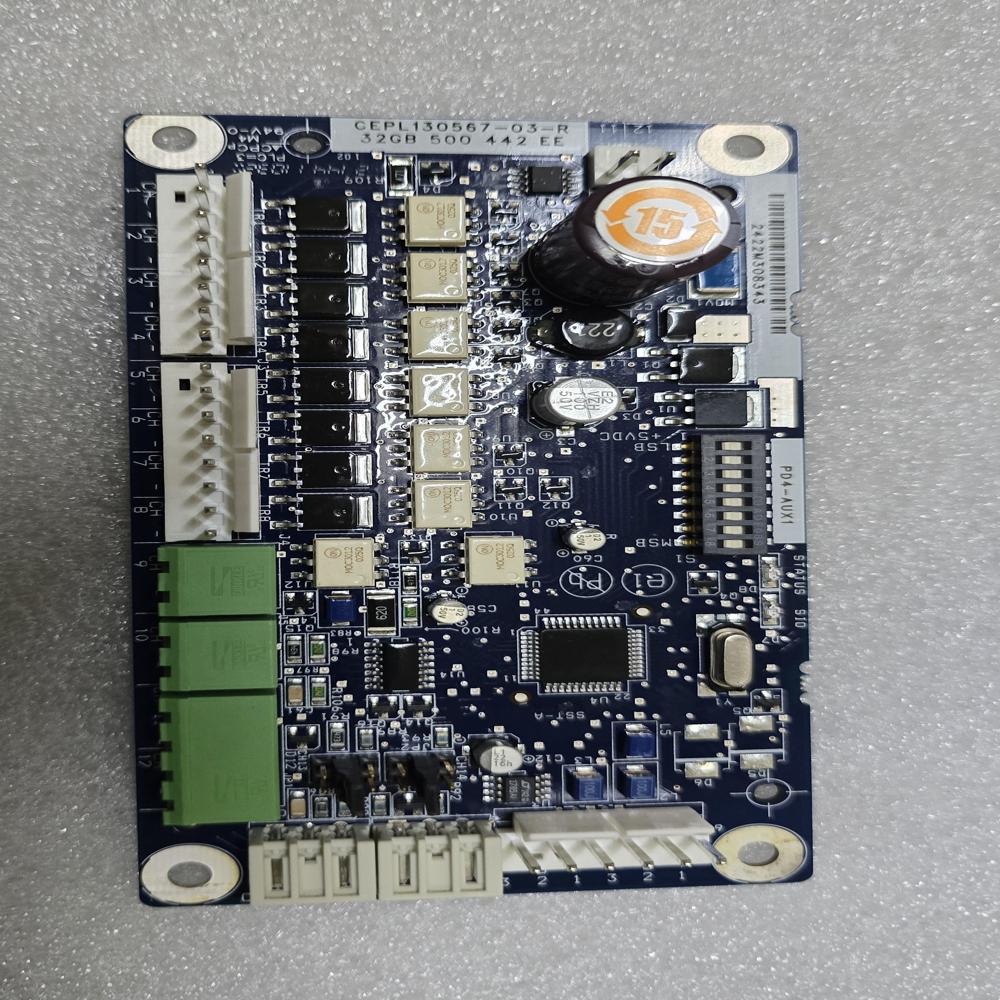
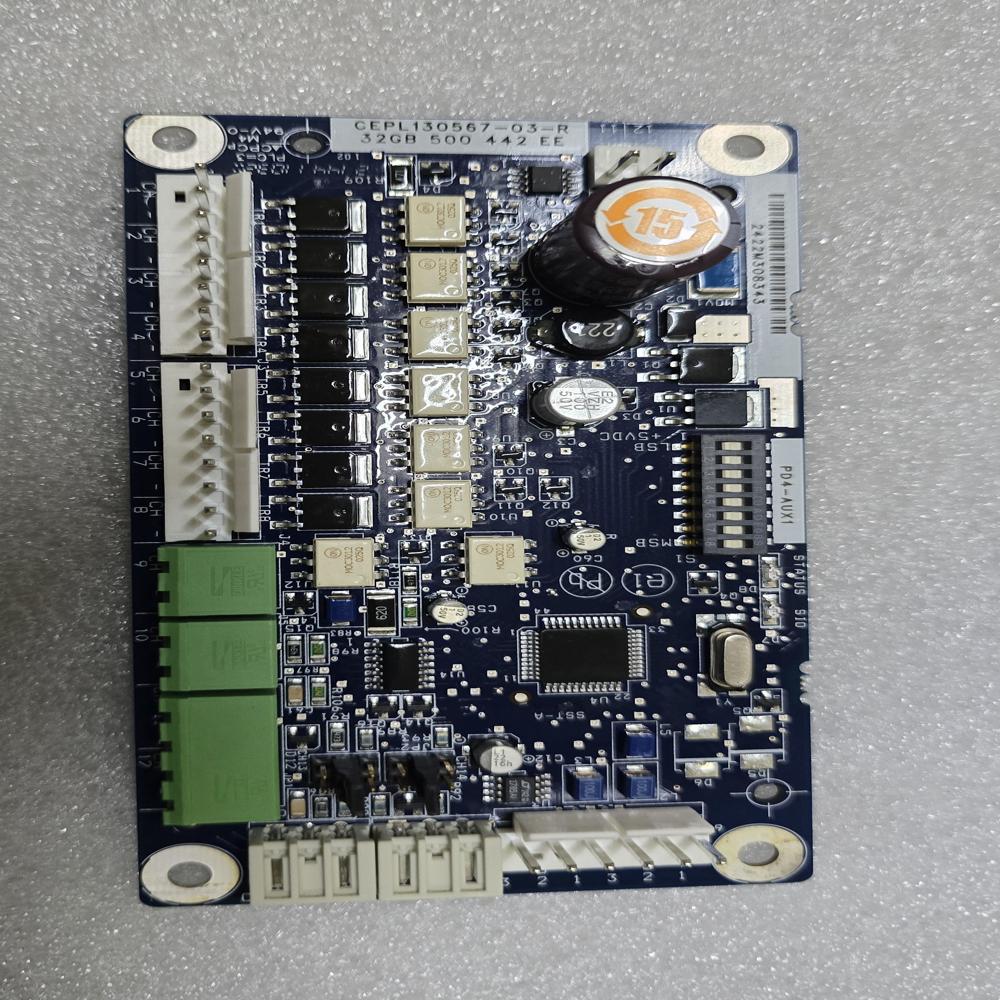
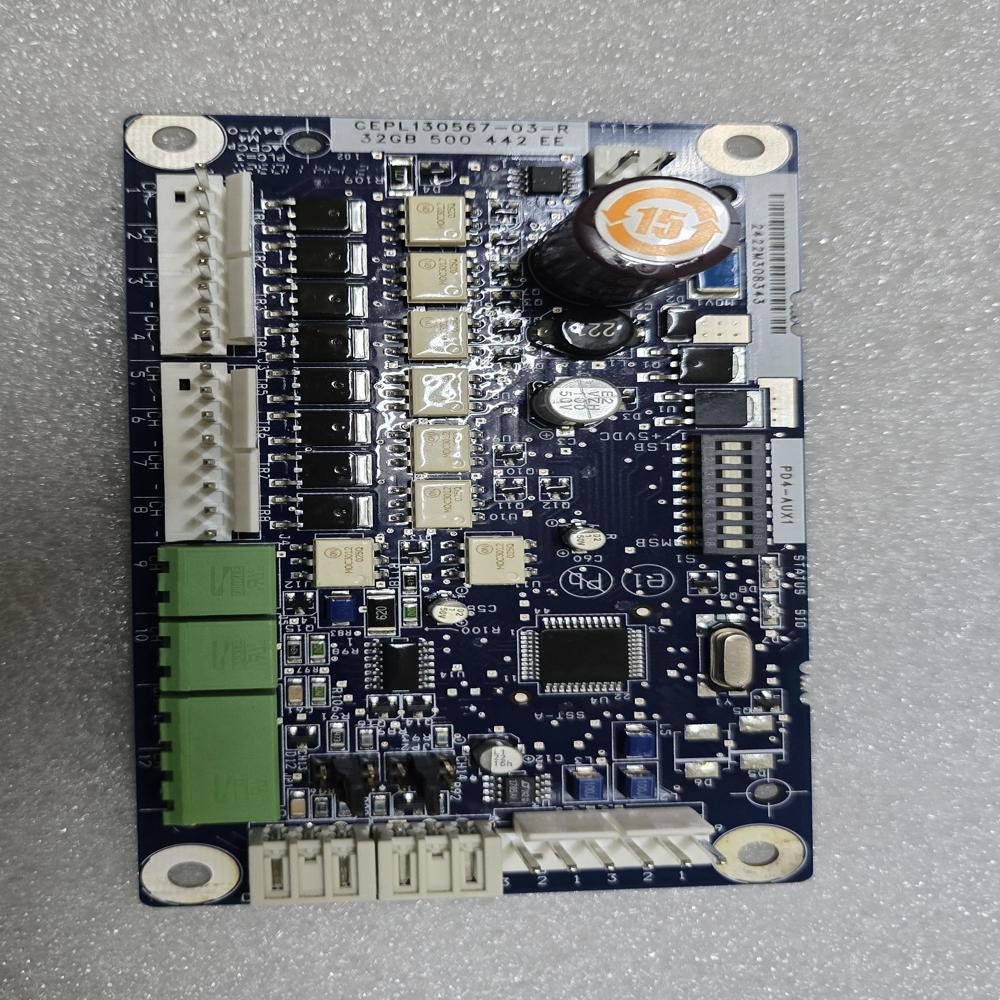
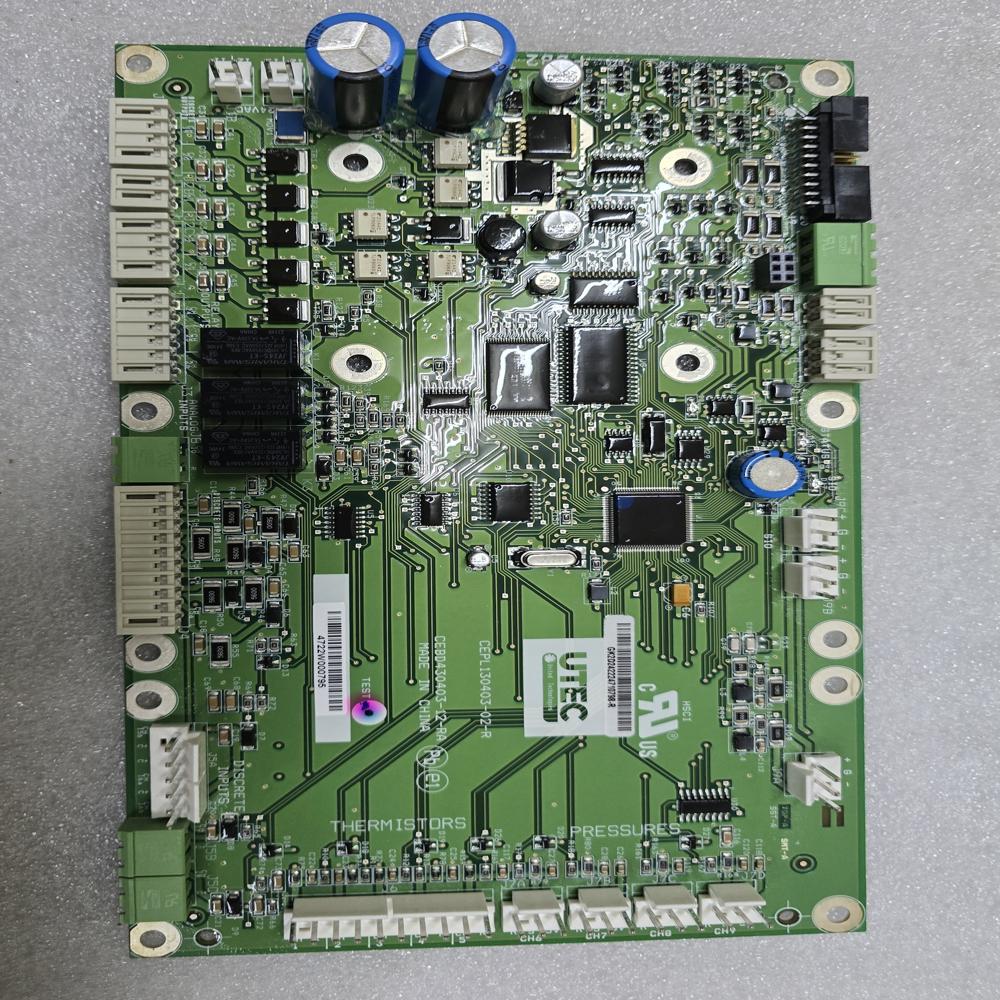
Full Feature Fan Auxiliary Board manufactured by Carrier. It is a critical control module designed to manage fan operations, speeds, and airflow efficiency within industrial HVAC and refrigeration systems
It regulates various fan speeds and modes to ensure efficient airflow and maintain desired comfort levels.
It includes built-in diagnostic functionality to assist technicians with troubleshooting and system maintenance.
Engineered for Signal Integrity and ReliabilityWith a multi-layer design (4+ layers), this PCB carrier board mitigates crosstalk and electromagnetic interference, ensuring high-quality signal integrity in complex applications. It supports surface-mount microcontrollers and driver ICs to deliver stable operation in demanding HVAC environments.
Versatile Connectivity and Power OptionsThe board accommodates multiple JST and pin header connectors, facilitating easy integration of power, digital I/O, and analog channels. It operates efficiently with DC power in the range of 12V to 24V, making it adaptable for various field installations.
Durable Design and Easy InstallationEach corner of the board includes a screw mounting hole for secure and vibration-resistant installation. The PCB operates silently with passive cooling, eliminating the need for external fans or heatsinks. Its compact size suits tight spaces within control panels.
FAQ's of Carrier Board:
Q: How do I mount the Carrier Board securely in my HVAC system?
A: The carrier board features dedicated screw mounting holes on each corner, allowing you to securely fasten it to your enclosure or panel using standard screws. This ensures stability, especially in environments prone to vibration.
Q: What types of peripherals can be interfaced with this main control board?
A: This board supports a wide array of digital inputs, digital outputs, analog channels, and power connectors, making it ideal for interfacing with sensors, actuators, drivers, and other peripheral devices within HVAC or automation systems.
Q: When is it recommended to use this particular board instead of a simpler PCB?
A: Choose this advanced multi-layer PCB when your application demands reliable signal integrity, multiple input/output types, and secure mounting-especially in HVAC systems with screw compressors where robust control is critical.
Q: Where is the power supply connected and what voltage range is supported?
A: Power is supplied through a dedicated connector, with the board supporting typical DC voltages between 12V and 24V. This ensures compatibility with most standard HVAC and industrial power sources.
Q: What is the process for integrating this board with existing control systems?
A: Simply connect your sensors, actuators, and power lines to the appropriate JST or pin header connectors. Afterwards, configure the onboard microcontroller or drivers as required by your system's logic.
Q: What benefits does passive cooling and silent operation provide?
A: Passive cooling eliminates the need for fans or heatsinks, resulting in completely silent operation and reduced maintenance. This is especially valuable for HVAC applications where noise control is vital.








 Send Inquiry



 Send Inquiry
 Send Inquiry
 Send SMS


 English
 Spanish
 French
 German
 Italian
 Chinese (Simplified)
 Japanese
 Korean
 Arabic
 Portuguese